Introduction
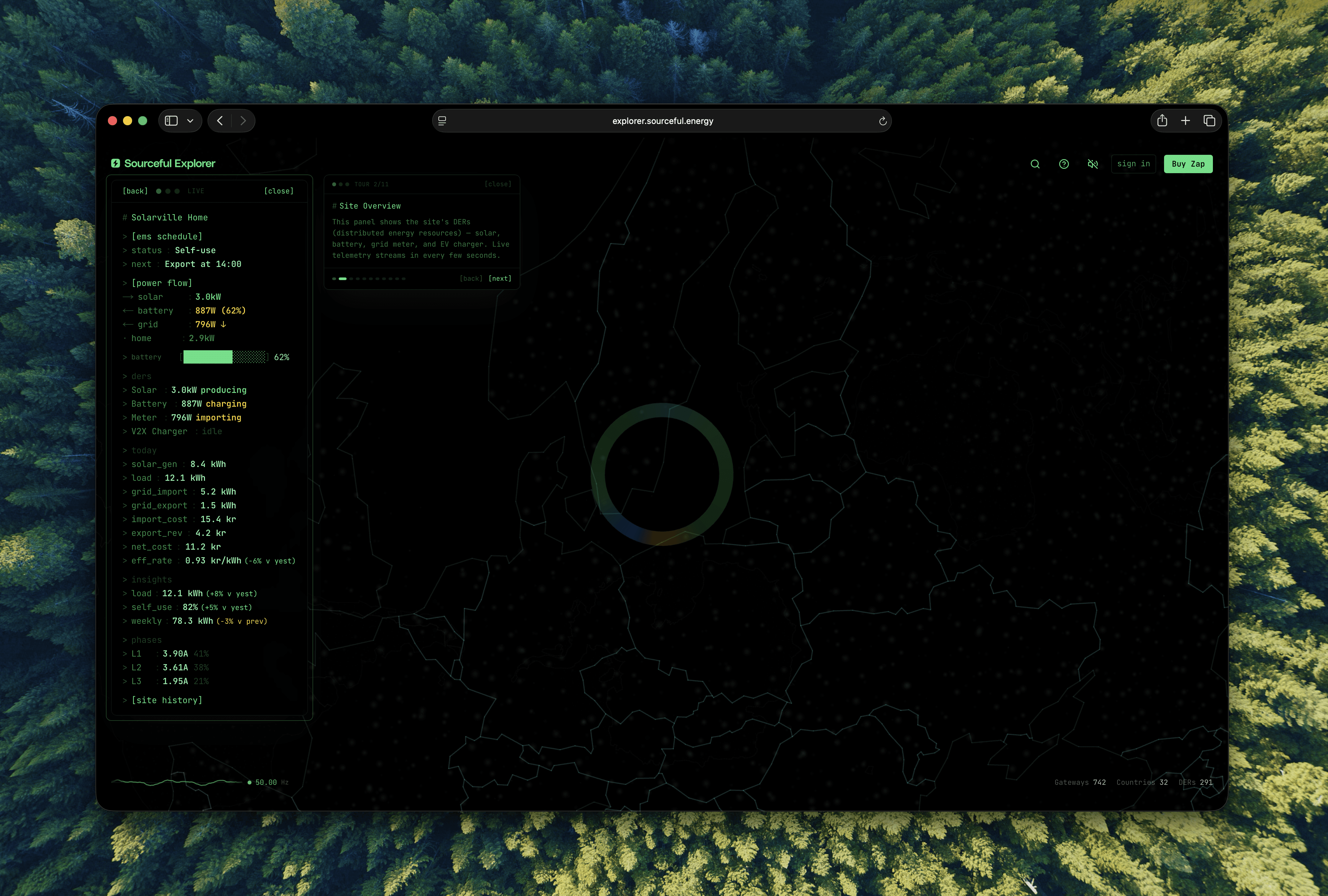
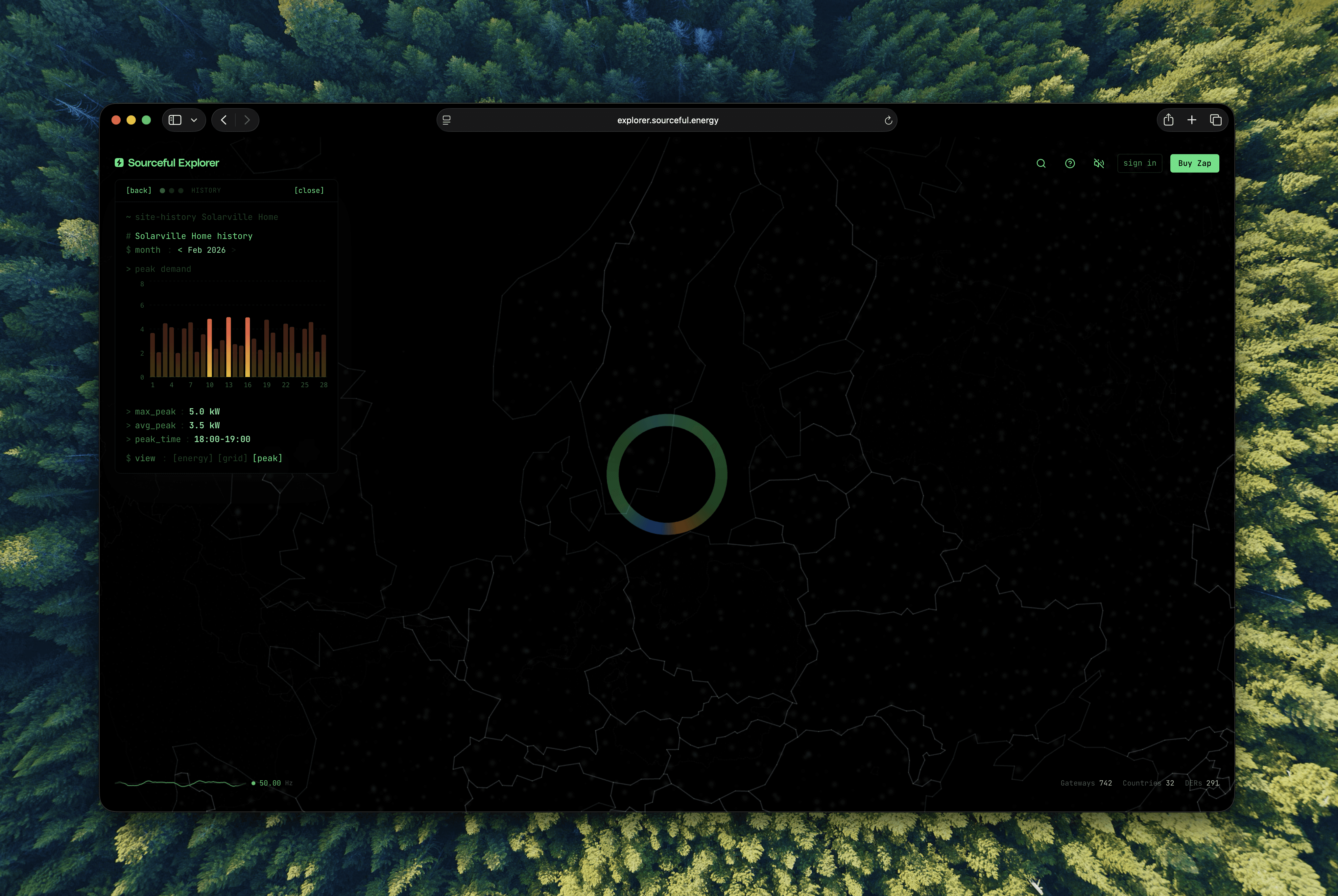
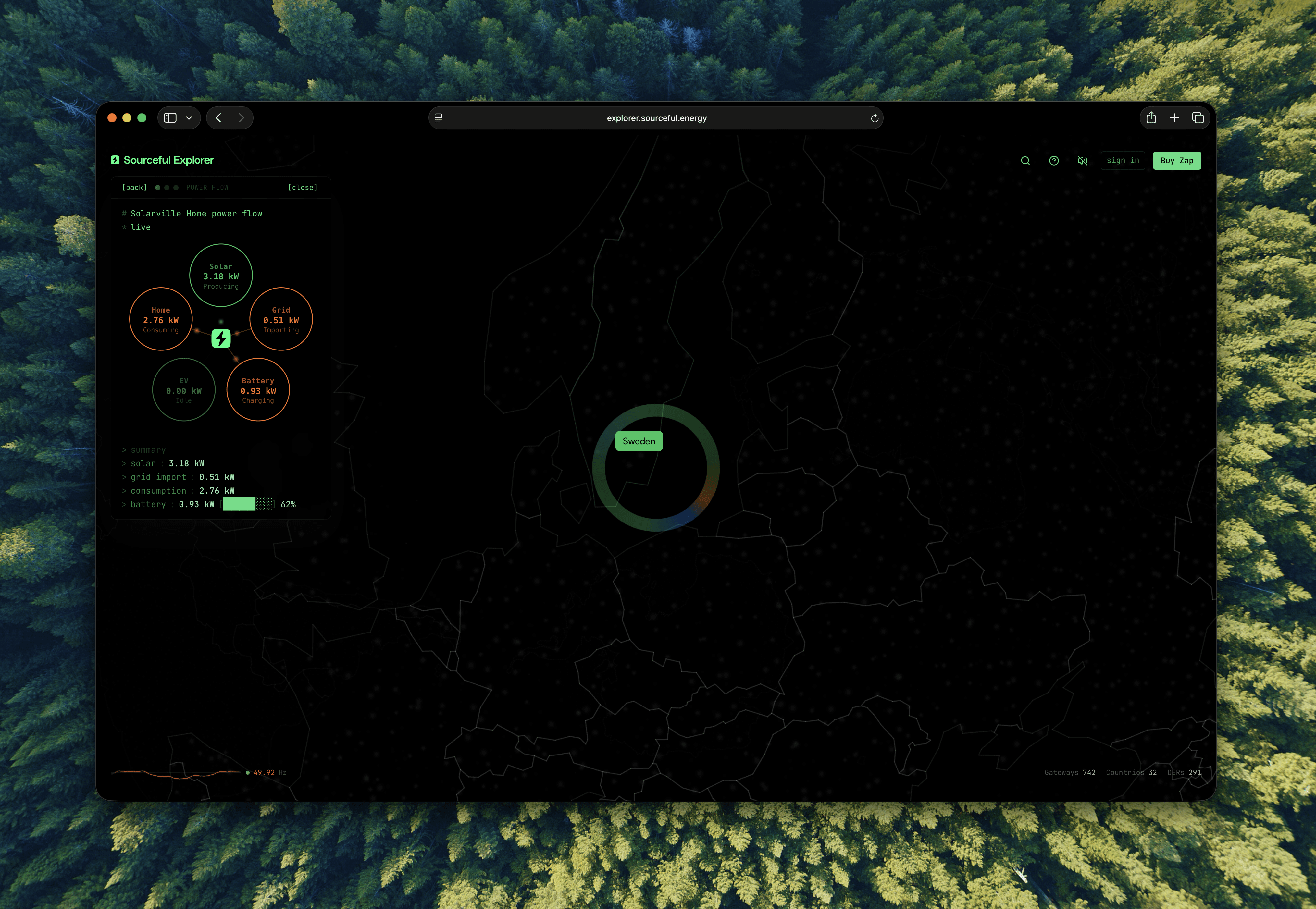
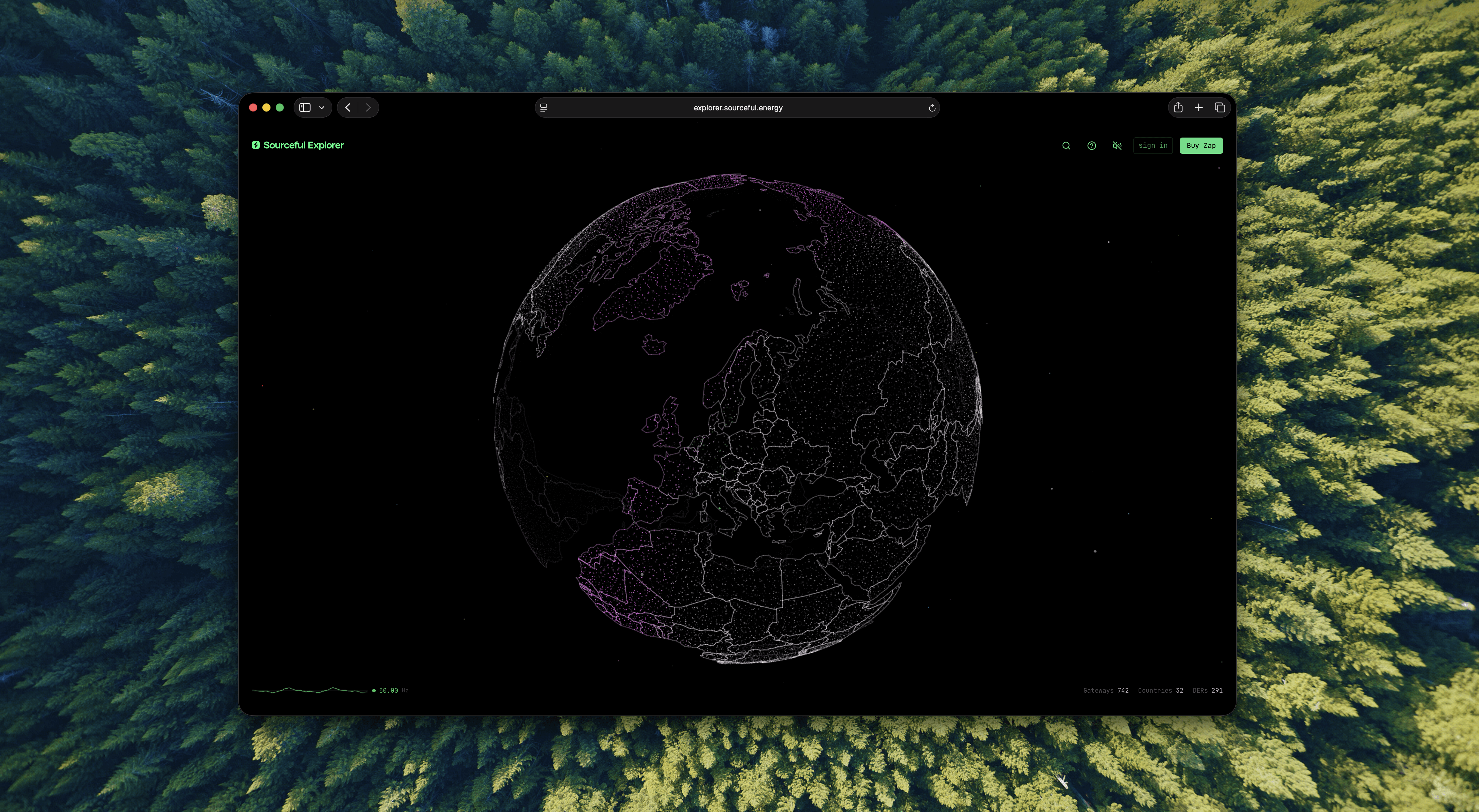
The Explorer is Sourceful Energy's window into the decentralized energy network - a web app that makes the invisible visible. While the mobile app focuses on onboarding and managing individual energy assets, the Explorer pulls back to reveal the bigger picture: a real-time, interactive view of every node contributing to the network on Solana.
Users connect via their wallet to access detailed analytics on energy systems, network activity, and token flows. The design challenge was translating dense blockchain and energy data into something immediately legible - without dumbing it down. Every chart, map marker, and data point needed to serve both crypto-native users exploring DePIN for the first time and energy professionals evaluating network health.
The result is a tool that feels more like a living dashboard than a typical block explorer - grounded in real physical infrastructure, not just transaction hashes.
Live
Challenges
The Explorer drops users into a dense, data-rich environment and asks: what do you want to know? That open-ended nature was the core design problem.
Information architecture was the biggest challenge. The platform pulls from multiple API endpoints - network stats, individual device data, token activity, energy production - each dataset serves a different user with different intent.
ICs and community members wants to see network growth. A device owner wants granular performance data. A curious newcomer just wants to understand what DePIN actually looks like in practice. Designing a single interface that serves all three without becoming cluttered or confusing required constant prioritisation and restraint.
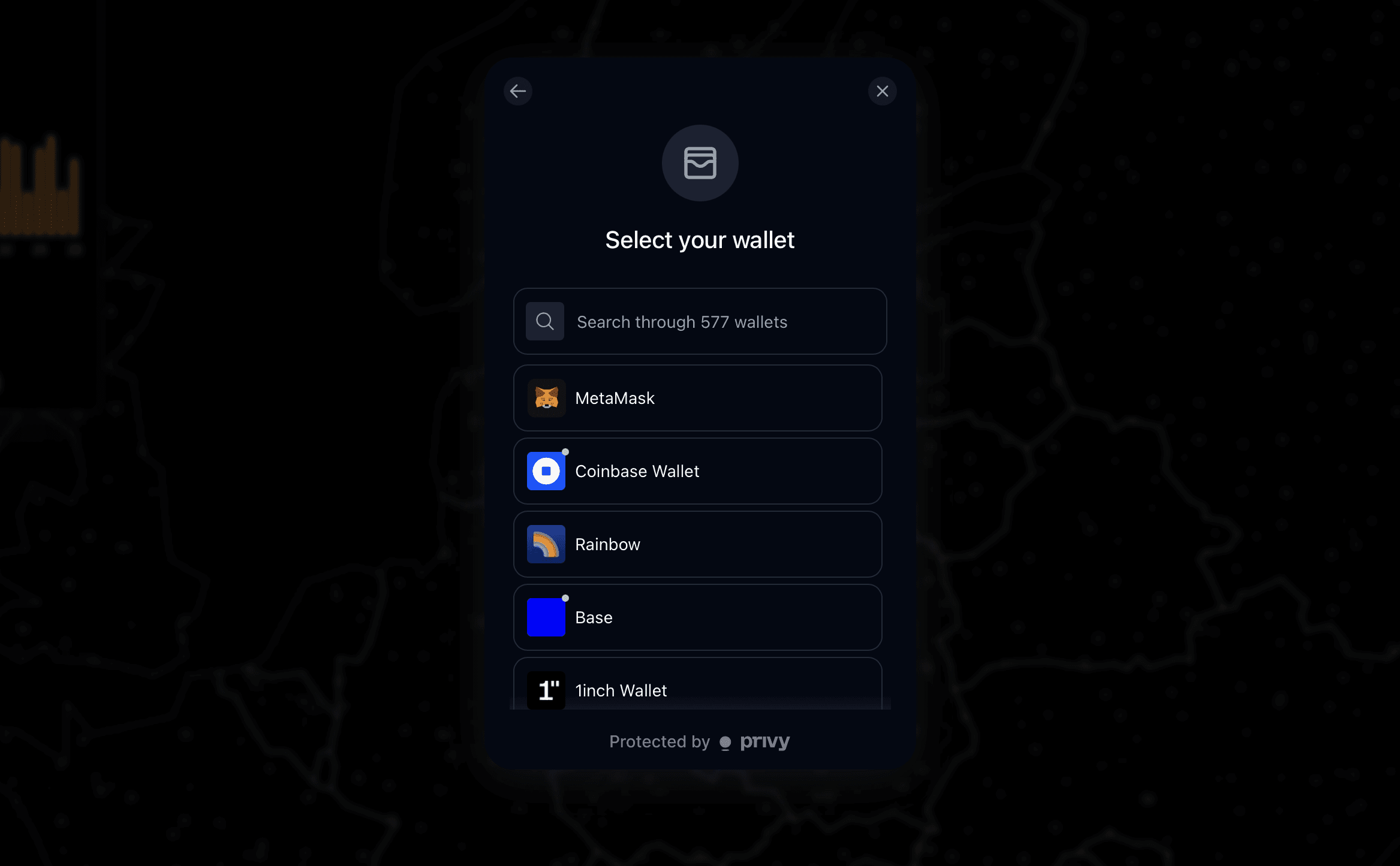
Wallet integration and authentication introduced familiar web3 friction. Connect flows needed to be seamless enough that crypto-native users didn't think twice, but clear enough that someone connecting a wallet for the first time understood what they were agreeing to and why.
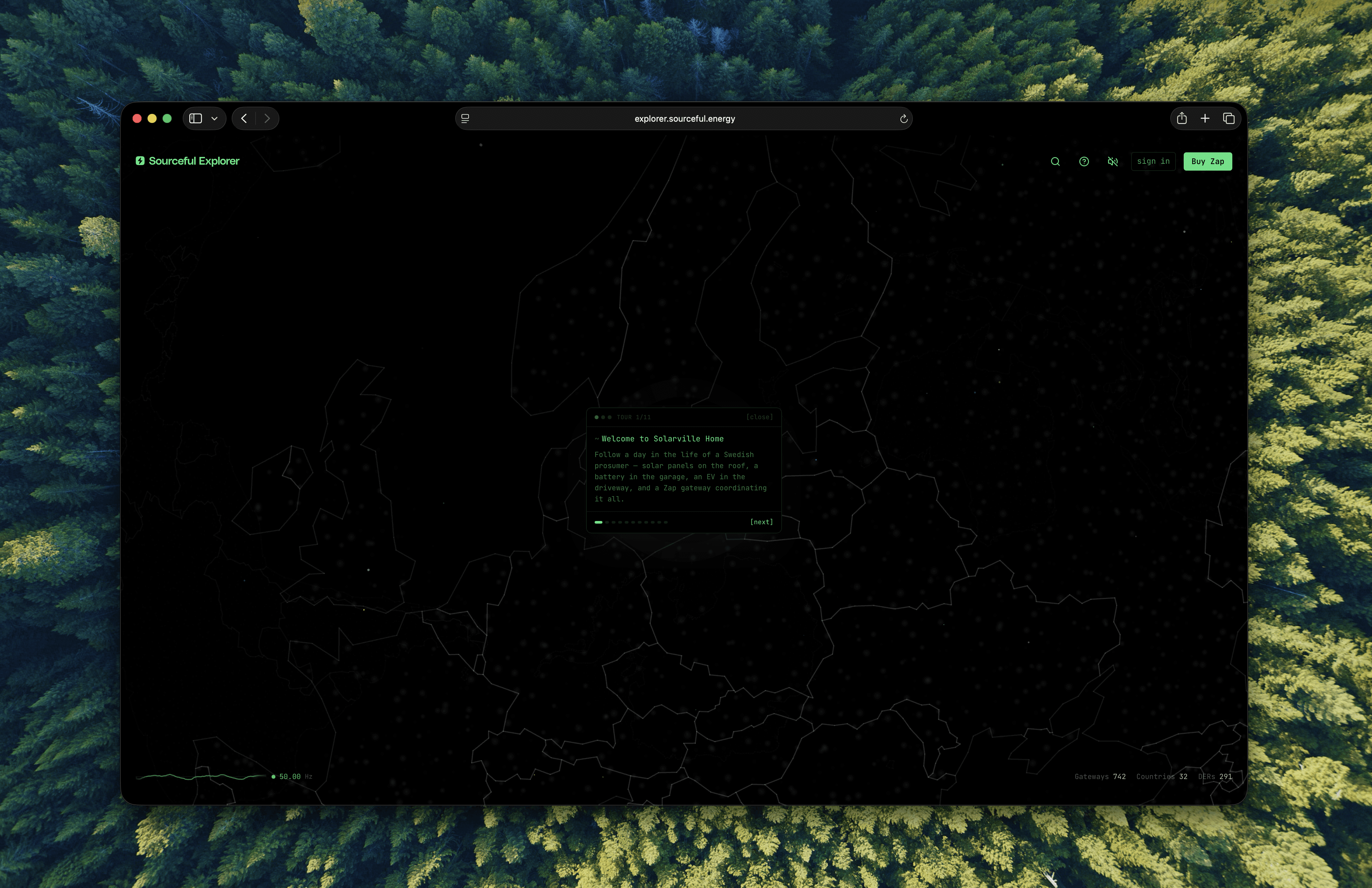
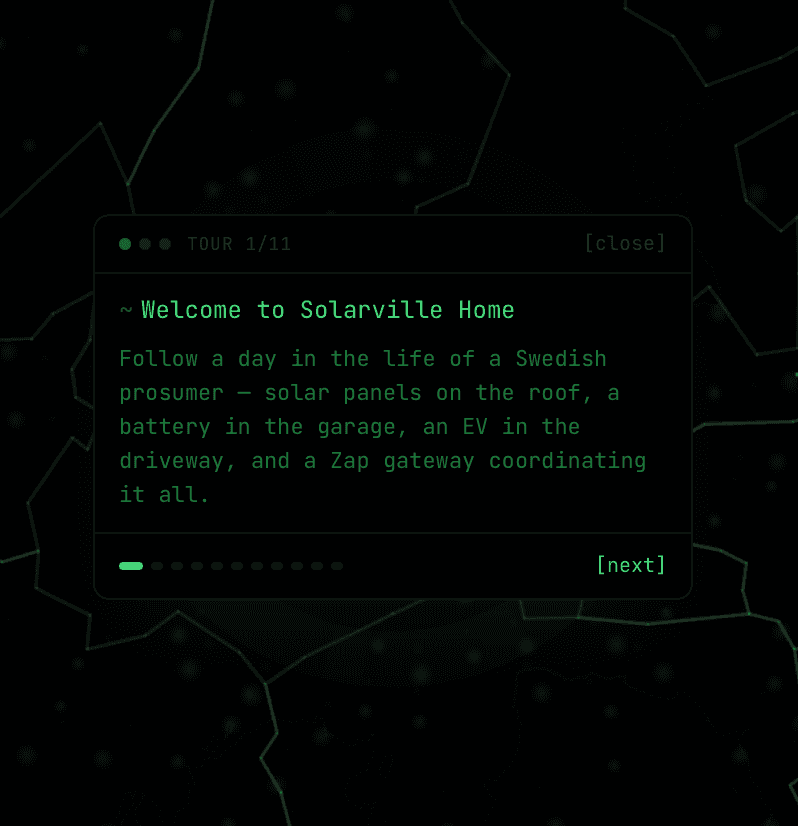
To lower the barrier further, I designed a demo mode and guided tour - giving users a way to explore real network data without needing a wallet at all. This was critical for building trust and letting the product speak for itself before asking for any commitment.
I released an early beta to our Discord community and ran rapid feedback cycles with active members, treating them as collaborators rather than testers. Their input shaped everything from data visualisation choices to navigation patterns, and meant the general release landed with confidence.